
How Are Disputes Over Home Value Resolved in Divorce?
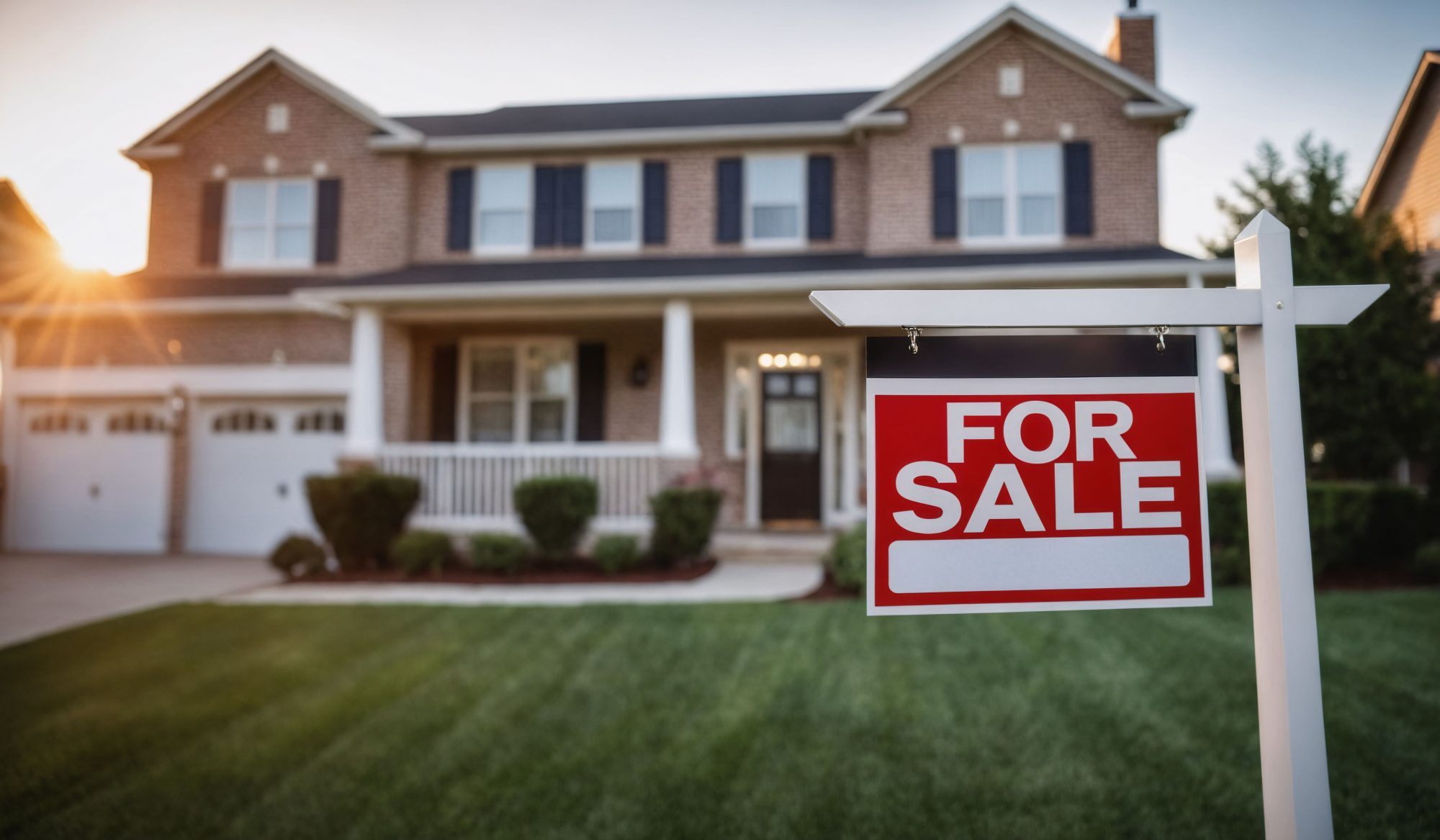
Dividing up the life you built is hard, and the family home is often the most emotionally charged asset. When you and your spouse disagree on what that home is worth, it can stall the entire divorce process. You might feel stuck and stressed about your financial future. If you are at the beginning of this process, you may wonder how these disagreements are resolved. Courts and attorneys use a few specific methods, including:
- Ordering professional appraisals: They hire licensed appraisers to supply objective property valuations.
- Reviewing competing reports: They examine differences between professionals if both spouses hire their own appraisers.
- Using negotiation strategies: They work through attorneys or mediators to reach a fair compromise without a trial.
Here at Hammer Serna & Quinn, LLC, we want you to fully understand your options when it comes to disputing your home’s value during your divorce. For further guidance, we invite you to reach out to our team.
What Role Do Appraisals Play in Determining Home Value?
If you and your spouse cannot agree on a price, a formal appraisal is usually the first step. An appraiser visits the property, inspects its condition, and reviews local data. You can expect the appraiser to look at a few main factors:
- Total square footage: The appraiser considers the home’s size and layout.
- Condition of major systems: The appraiser inspects the roof, plumbing, electrical, and other key systems.
- Recent upgrades: The appraiser notes any renovations or improvements you completed.
An appraisal provides an objective number based on facts rather than emotional attachments. It gives both parties a solid foundation for property division.
How Do Current Market Conditions Affect Your Property’s Worth?
The housing market constantly shifts, and those changes directly impact the final number on the report. When determining fair market value, professionals will look at the following elements:
- Comparable sales: They review recent sales of similar homes in your specific neighborhood.
- Active listings: They check what other houses are currently listed for to gauge buyer demand.
- Market trends: They consider whether local prices are rising or falling overall.
If the market is hot, your home might be worth more than you initially paid for it. Understanding these external factors helps you see why the appraised value might differ from your personal expectations.
Why Might Professionals Disagree on the Value of Your Property?
Sometimes, one spouse disagrees with the initial appraisal. In these situations, the other spouse might hire a second appraiser. This often leads to two different valuations for the exact same house. Discrepancies often arise for a few common reasons:
- Different comparable sales: One appraiser may select different recently sold properties for comparison than the other.
- Varied values on upgrades: The appraisers might assign different values to specific improvements or renovations you have made.
- Market shifts: The local real estate market could change quickly between the first appraisal and the second one.
When you have competing reports, the court will review both documents. A judge will hear both arguments and decide which report is more accurate. Sometimes, the court will settle on a number directly in the middle.
Which Negotiation Strategies Help Resolve Property Value Disputes?
Going to trial to argue over real estate is expensive and time-consuming. Fortunately, you can often reach an agreement outside of the courtroom. Your attorney can guide you through several effective strategies to settle the dispute. Consider these common approaches:
- Joint appraisals: Both spouses agree to hire one neutral appraiser and accept that final number.
- Compromise agreements: Your lawyers negotiate a value halfway between the two competing appraisal reports.
- Mediation sessions: A neutral third party helps you and your spouse communicate, review the facts, and agree on a fair property value.
Settling these disagreements through negotiation gives you more control over the outcome and helps protect your hard-earned assets from excessive legal fees. An experienced attorney can guide you through the process and help you reach an agreement.
Find a Fair Resolution for Your Family with Hammer Serna & Quinn, LLC
Dividing a shared home brings up intense emotions and difficult financial decisions. You deserve peace of mind as you transition into this next chapter of your life. At Hammer Serna & Quinn, LLC, we provide strategic advocacy and clear communication to assist clients with property disputes. We know the local real estate market and work diligently to protect your financial interests. Contact our Chicago office today to talk about your situation with a skilled family law attorney. We are prepared to help you find an equitable resolution.
share this post:
facebookGet In Touch
Call or email Hammer Serna & Quinn, LLC today to schedule a consultation.

Attorney Advertising. This information is designed for general information only. The information presented should not be construed to be formal legal advice nor the formation of a lawyer/client relationship. Past results and testimonials are not a guarantee, warranty, or prediction of the outcome of your case, and should not be construed as such. Past results cannot guarantee future performance. Any result in a single case is not meant to create an expectation of similar results in future matters because each case involves many different factors, therefore, results will differ on a case-by-case basis. By providing contact information, users acknowledge and give explicit consent to be contacted via the methods of communication provided, including SMS. Message and data rates may apply. Message frequency may vary. Reply STOP to opt out.
NUVEW | Copyright 2026 Hammer Serna & Quinn, LLC. All Rights Reserved | Accessibility Notice | Privacy Policy