
What Happens If Your Ex-Spouse Stops Paying Joint Debts After a Divorce?
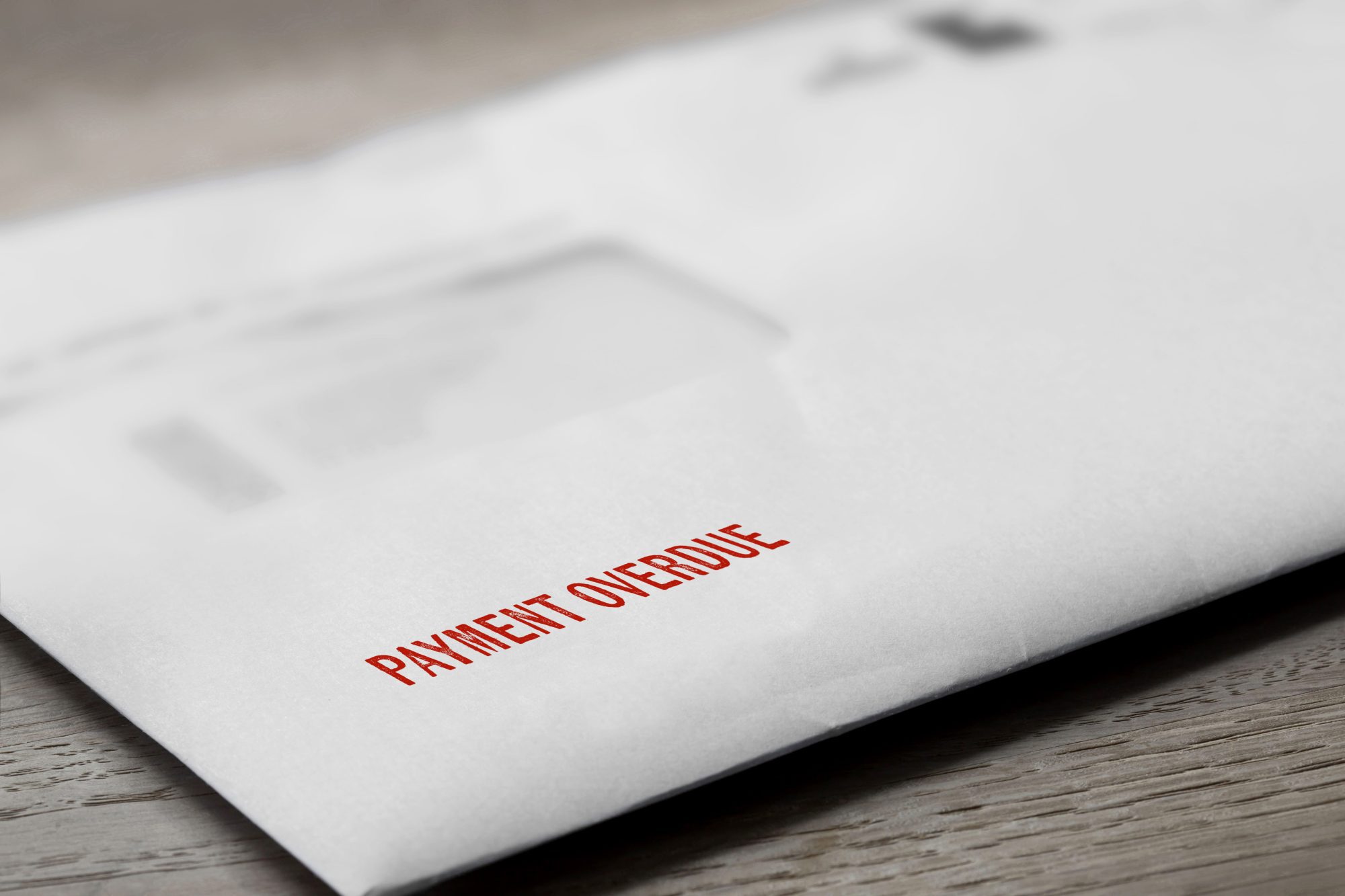
You thought the financial stress of your divorce was behind you, but now you’ve discovered your ex-spouse has stopped paying their share of the joint debts. This is a frightening and stressful position to be in, but you are not alone. Understanding the legal and financial consequences of unpaid joint debts after a divorce is vital for protecting yourself.
This guide will walk you through what you need to know and what you can do. We will cover:
- Court Orders and Decrees: Understanding what your divorce decree says about debt obligations and what it means for you.
- Impact on Your Credit: How unpaid joint debts can affect your credit score, regardless of what your decree states.
- Reimbursement and Enforcement: Steps you can take to get your money back and legally enforce the court order.
- Preventative Measures: How to protect yourself from these issues in the future.
Our team at Hammer Serna & Quinn, LLC, wants you to understand your rights when your ex-spouse stops paying your joint debt accounts. Reach out to our team if you need further guidance on handling this situation.
Understanding Court Orders and Decrees
Your divorce decree outlines who pays what. It might state clearly that your ex-spouse must pay the joint credit card or the car loan. However, this decree does not free you from your contract with lenders.
Credit unions are not bound by your divorce agreement. Since your name is still on the debt, they will pursue both of you for missing payments. It is essential to be knowledgeable about your divorce decree to understand your legal rights and personal obligations.
What Is the Credit Impact of Unpaid Joint Debts?
From car payments to student loan debt, missing a payment damages the credit scores of everyone listed on the account. This happens regardless of who is listed as the person responsible for the payment, and may result in a damaged credit score.
To protect yourself, consider these proactive habits:
- Check your credit reports regularly.
- Set up alerts for late payments on shared accounts.
- Catch issues early before they severely hurt your score.
With these strategies in mind, you may be able to catch unpaid payments before they impact your credit score. If you need assistance figuring out the next steps, consult with a professional attorney.
Can I Recover What I Paid?
If you paid a payment that is not your responsibility, the law may allow for reimbursement, especially when an ex-spouse violates a divorce decree. A judge can order your former partner to pay you back for those covered expenses. You should keep a careful record of every payment you make, as well as save your bank statements and receipts to provide evidence that you made a payment you were not responsible for. Speak with an attorney to determine if you may be able to recover your money.
How Can I Hold Your Ex-Spouse Accountable?
You do not have to accept a broken court order. The legal system gives you powerful tools to hold your former spouse accountable. If they refuse to pay, you can file a motion for contempt of court. A judge can force them to comply through wage garnishment or seizing funds from their bank accounts.
How Can I Avoid This Problem In the Future?
It’s difficult to prevent this problem once the divorce is finalized, as the agreements are already in place. However, if you are concerned about your ex-spouse’s reliability, you can:
- Monitor Joint Accounts: Regularly check any accounts that remain open to ensure payments are being made on time. This allows you to identify issues early before they impact your credit score.
- Communicate in Writing: If you notice a late payment, contact your ex-spouse in writing, such as via email, to build a record of your communication and their response.
- Consult an Attorney: If you suspect your ex may default on their obligations, speak with an attorney proactively. They can explain your legal options for enforcement before the situation escalates.
With these steps in mind, you’ll be able to keep track of your joint debts and make sure your former spouse is being held accountable.
Turn to Hammer Serna & Quinn for Legal Representation
If you are facing issues with shared debts, you should seek legal advice to enforce your decree. You do not have to face this alone. Legal help is available to protect your rights and financial stability. Here at Hammer Serna and Quinn, LLC, we’re committed to advising next steps that provide peace of mind. Contact our professional lawyers today to schedule a consultation and see how we can help.
share this post:
facebookGet In Touch
Call or email Hammer Serna & Quinn, LLC today to schedule a consultation.

Attorney Advertising. This information is designed for general information only. The information presented should not be construed to be formal legal advice nor the formation of a lawyer/client relationship. Past results and testimonials are not a guarantee, warranty, or prediction of the outcome of your case, and should not be construed as such. Past results cannot guarantee future performance. Any result in a single case is not meant to create an expectation of similar results in future matters because each case involves many different factors, therefore, results will differ on a case-by-case basis. By providing contact information, users acknowledge and give explicit consent to be contacted via the methods of communication provided, including SMS. Message and data rates may apply. Message frequency may vary. Reply STOP to opt out.
NUVEW | Copyright 2026 Hammer Serna & Quinn, LLC. All Rights Reserved | Accessibility Notice | Privacy Policy